Cannabis Abuse: What You Need to Know
Cannabis, also known as marijuana, weed, bhang, or ganja, is one of the most widely used psychoactive substances worldwide. While some countries permit its medical or recreational use under specific regulations, frequent or heavy cannabis use can have important health consequences.
For many people, occasional use does not lead to dependence. However, repeated use can result in Cannabis Use Disorder, a condition in which a person continues using cannabis despite harmful effects on their health, relationships, education, or work.
At Teledoctor Kenya, we encourage informed decision-making, early recognition of substance use problems, and compassionate, evidence-based treatment.
What Is Cannabis?
Cannabis is derived from the Cannabis sativa plant.
Its main active compounds include:
- THC (tetrahydrocannabinol): Responsible for the “high” and most psychoactive effects.
- CBD (cannabidiol): Does not cause intoxication and is used in some approved medical treatments for specific conditions.
Modern cannabis products often contain much higher concentrations of THC than in the past, increasing the risk of adverse effects.
What Is Cannabis Abuse?
Cannabis abuse refers to repeated or heavy use that leads to problems in daily life.
Healthcare professionals now commonly use the term Cannabis Use Disorder (CUD), which ranges from mild to severe depending on the number and impact of symptoms. Why Do People Use Cannabis?
People may use cannabis for different reasons, including:
- Curiosity
- Peer influence
- Relaxation
- Stress relief
- Recreational enjoyment
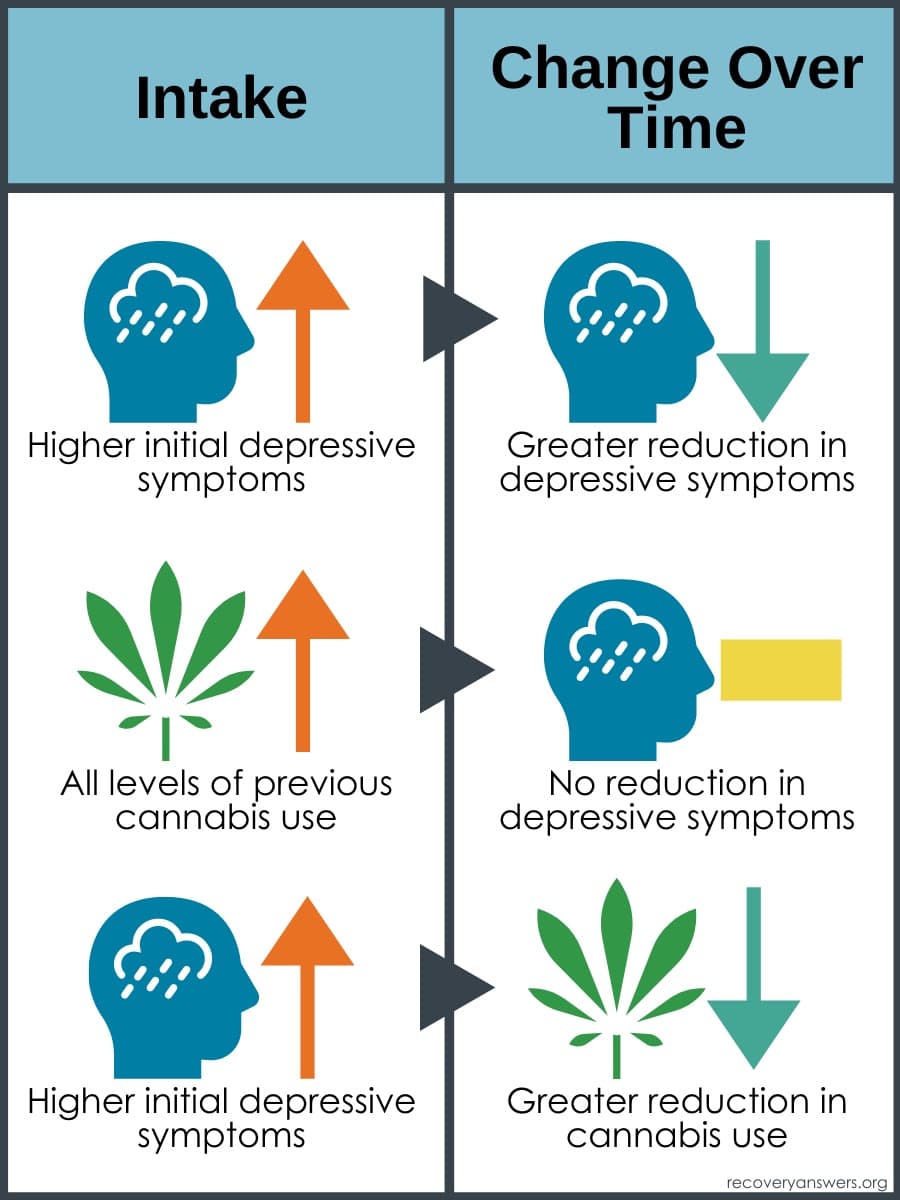
- Attempting to cope with anxiety or low mood
- Misconceptions that it is harmless
Although some people report temporary relaxation, cannabis is not an appropriate treatment for anxiety, depression, or other mental health conditions unless prescribed for an approved medical indication under appropriate supervision.
Short-Term Effects of Cannabis
Soon after use, cannabis may cause:
- Euphoria
- Relaxation
- Altered perception of time
- Increased appetite (“the munchies”)
- Dry mouth
- Red eyes
- Impaired coordination
- Slower reaction times
- Difficulty concentrating
- Impaired short-term memory
These effects can make activities such as driving or operating machinery dangerous.
Long-Term Health Risks
Frequent or heavy cannabis use has been associated with several health problems.
Mental Health
Regular cannabis use may increase the risk of:
- Anxiety
- Panic attacks
- Depression in some individuals
- Reduced motivation
- Difficulty with memory and learning
In people who are vulnerable, especially those with a personal or family history of psychotic disorders, heavy cannabis use has been associated with an increased risk of developing psychosis or triggering earlier onset of schizophrenia.
Dependence
Cannabis can be addictive.
Some people develop Cannabis Use Disorder, making it difficult to stop even when they recognize negative consequences.
Signs of dependence include:
- Craving cannabis
- Needing larger amounts over time
- Unsuccessful attempts to stop
- Spending significant time obtaining or using cannabis
- Continuing use despite health, work, or relationship problems
Brain Development
Young people are particularly vulnerable because the brain continues developing into the mid-20s.
Frequent cannabis use during adolescence has been associated with:
- Poor concentration
- Learning difficulties
- Reduced academic performance
- Memory problems
Respiratory Health
Smoking cannabis can irritate the lungs and airways, leading to:
- Chronic cough
- Wheezing
- Increased mucus production
- Bronchitis-like symptoms
Can Cannabis Cause Psychosis?
Yes, in some people.
Heavy or high-potency cannabis use can trigger a psychotic episode, particularly in individuals with a genetic or personal vulnerability.
Symptoms may include:
- Hearing voices
- Extreme suspiciousness
- Delusions
- Confusion
- Agitation
Anyone experiencing these symptoms should receive urgent medical assessment.
Cannabis and Driving
Cannabis impairs:
- Reaction time
- Judgment
- Coordination
- Attention
Driving after using cannabis significantly increases the risk of road traffic accidents and should be avoided.
Can You Become Addicted?
Yes.
Although not everyone who uses cannabis becomes dependent, the risk increases with:
- Frequent use
- Daily use
- Starting at a young age
- Using high-THC products
- Coexisting mental health conditions
Symptoms of Cannabis Withdrawal
People who stop after prolonged heavy use may experience withdrawal symptoms, including:
- Irritability
- Anxiety
- Difficulty sleeping
- Reduced appetite
- Restlessness
- Low mood
- Strong cravings
These symptoms are usually temporary and improve over time.
How Is Cannabis Use Disorder Treated?
Treatment depends on the severity of the condition.
Counselling
Psychological therapies are often the mainstay of treatment.
These may include:
- Cognitive Behavioural Therapy (CBT)
- Motivational interviewing
- Relapse prevention strategies
- Family therapy
Support Groups
Peer support programmes can help individuals maintain recovery and develop healthier coping strategies.
Managing Coexisting Conditions
Many people with cannabis dependence also experience anxiety, depression, or other mental health conditions that require assessment and treatment.
Tips for Quitting Cannabis
If you are planning to stop using cannabis:
- Set a quit date.
- Remove cannabis and related items from your environment.
- Identify situations that trigger use.
- Develop healthier ways to manage stress.
- Stay physically active.
- Seek support from trusted family or friends.
- Speak with a healthcare professional if withdrawal symptoms are severe or if you find it difficult to stop.
Supporting Someone with Cannabis Dependence
Family and friends can help by:
- Listening without judgment
- Encouraging professional help
- Avoiding criticism or shame
- Supporting healthy routines
- Recognizing signs of relapse early
Recovery is often a gradual process and may require ongoing support.
When Should You Seek Medical Help?
Consult a healthcare professional if:
- Cannabis use is affecting work, school, or relationships
- You cannot stop despite trying
- You experience withdrawal symptoms
- You develop anxiety, depression, or paranoia after using cannabis
- You experience hallucinations or delusions
- You are concerned about a loved one’s cannabis use
Early intervention can improve outcomes.
Can Teledoctor Help?
Yes.
Teledoctor Kenya provides confidential consultations for substance use and mental health.
Our healthcare professionals can:
- Assess cannabis use
- Screen for Cannabis Use Disorder
- Evaluate anxiety, depression, or psychosis
- Develop an individualized treatment plan
- Provide counselling and relapse prevention strategies
- Refer to addiction specialists or psychiatrists when needed
- Offer ongoing follow-up and support
Recovery Is Possible
Many people successfully overcome cannabis dependence with the right combination of motivation, professional support, counselling, and healthy lifestyle changes.
Seeking help early can reduce the risk of long-term health problems and improve your overall wellbeing.
Book a Confidential Consultation with Teledoctor Kenya
If you or someone you care about is struggling with cannabis use, our healthcare professionals are here to help.
We provide:
- Confidential online consultations
- Substance use assessments
- Mental health screening
- Counselling and behavioural support
- Follow-up care
- Specialist referrals when appropriate
📞 Call or WhatsApp: 0701 913 000
🌐 Book your online consultation today at www.teledoctor.co.ke
Frequently Asked Questions
Is cannabis addictive?
Yes. While not everyone becomes dependent, repeated use can lead to Cannabis Use Disorder, making it difficult to stop despite negative consequences.
Can cannabis cause schizophrenia?
Cannabis does not directly cause schizophrenia in most people. However, heavy or high-potency cannabis use is associated with an increased risk of psychosis and may trigger schizophrenia earlier in people who are already vulnerable.
Is medical cannabis the same as recreational cannabis?
No. Medical cannabis products are used for specific approved medical conditions under professional supervision. Recreational cannabis is often used without medical oversight and may have higher THC concentrations.
Can I drive after using cannabis?
No. Cannabis impairs reaction time, judgment, and coordination, making driving unsafe.
Can people recover from cannabis dependence?
Yes. Many people recover successfully with counselling, social support, treatment of coexisting mental health conditions, and healthy lifestyle changes.