Depression: More Than Just Feeling Sad
Everyone feels sad or discouraged from time to time. However, when feelings of sadness, hopelessness, or loss of interest persist for two weeks or more and begin to interfere with work, school, relationships, or daily life, it may be depression.
Depression is one of the most common mental health conditions worldwide. It affects people of all ages and backgrounds and is a treatable medical condition, not a sign of weakness or a personal failure.
At Teledoctor Kenya, we believe that early recognition and appropriate treatment can help people recover and regain a fulfilling life.
What Is Depression?
Depression, also known as Major Depressive Disorder (MDD), is a mood disorder that affects the way a person feels, thinks, and behaves.
It can influence:
- Mood
- Sleep
- Appetite
- Energy levels
- Concentration
- Motivation
- Relationships
- Physical health
Depression varies in severity and can be mild, moderate, or severe.
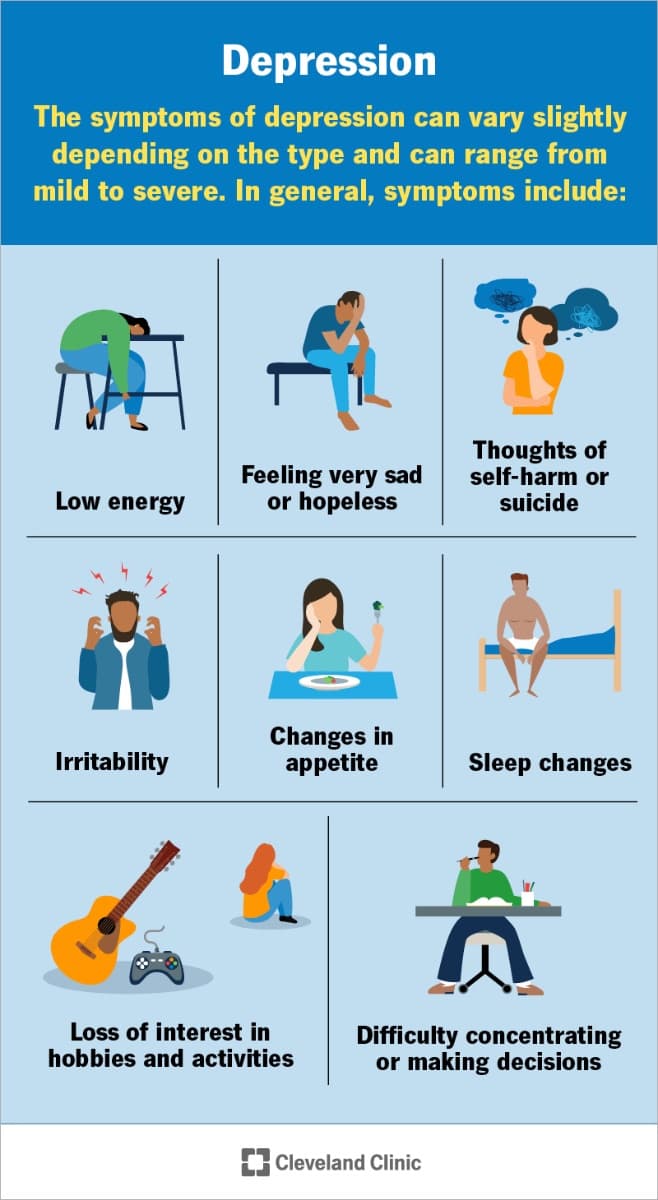
Common Symptoms of Depression
People with depression may experience several of the following symptoms:
Emotional Symptoms
- Persistent sadness
- Feeling empty or hopeless
- Frequent crying
- Irritability
- Loss of interest in hobbies or activities once enjoyed
- Feeling worthless or excessively guilty
Physical Symptoms
- Fatigue or low energy
- Sleeping too much or too little
- Changes in appetite
- Weight gain or weight loss
- Headaches
- Body aches without an obvious cause
- Reduced sexual desire
Thinking and Behavioural Symptoms
- Difficulty concentrating
- Poor memory
- Indecisiveness
- Slowed thinking
- Withdrawing from family and friends
- Reduced work or school performance
Severe Symptoms
Some people may experience:
- Feelings that life is not worth living
- Thoughts of self-harm or suicide
- Suicide attempts
If you or someone you know has thoughts of self-harm or suicide or feels unable to stay safe, seek emergency medical care immediately.
What Causes Depression?
Depression usually develops through a combination of factors rather than a single cause.
These include:
Biological Factors
- Family history of depression
- Changes in brain chemistry
- Hormonal changes
Psychological Factors
- Chronic stress
- Low self-esteem
- Previous trauma
- Childhood adversity
Social Factors
- Relationship problems
- Financial difficulties
- Bereavement
- Unemployment
- Social isolation
Medical Conditions
Certain illnesses may increase the risk of depression, including:
- Stroke
- Chronic pain
- Cancer
- Diabetes
- Heart disease
- Thyroid disorders
Some medications may also contribute to depressive symptoms.
Who Is at Risk?
Depression can affect anyone.
Risk factors include:
- Personal or family history of depression
- Bipolar disorder
- Chronic medical illness
- Alcohol or substance misuse
- Major life changes
- Lack of social support
- Sleep disorders
Depression Is Different from Normal Sadness
Feeling sad after losing a loved one or experiencing disappointment is a normal part of life.
Depression differs because:
- Symptoms last longer
- Daily functioning is significantly affected
- Enjoyment of life is greatly reduced
- Recovery often requires treatment and support
How Is Depression Diagnosed?
A healthcare professional will usually diagnose depression by:
- Discussing your symptoms
- Reviewing your medical history
- Asking about your mood, sleep, appetite, and daily functioning
- Assessing for anxiety or other mental health conditions
- Considering physical illnesses that may cause similar symptoms
There is no single blood test that diagnoses depression.
Treatment Options
Depression is highly treatable.
Treatment depends on the severity of symptoms.
Psychological Therapy
Counselling or psychotherapy is often recommended.
Examples include:
- Cognitive Behavioural Therapy (CBT)
- Interpersonal Therapy (IPT)
- Problem-solving therapy
- Supportive counselling
Therapy helps people develop healthier thinking patterns and coping strategies.
Medication
For moderate to severe depression, antidepressant medication may be recommended.
Common types include Selective Serotonin Reuptake Inhibitors (SSRIs) and other antidepressants.
Medication should only be started under the guidance of a qualified healthcare professional.
It may take several weeks before improvement becomes noticeable.
Lifestyle Changes
Healthy habits can support recovery.
These include:
- Regular exercise
- Balanced nutrition
- Adequate sleep
- Avoiding excessive alcohol and recreational drugs
- Stress management
- Maintaining social connections
Lifestyle changes work best alongside professional treatment rather than replacing it.
Can Depression Be Prevented?
Not all cases can be prevented, but healthy habits may reduce the risk.
Helpful measures include:
- Getting enough sleep
- Managing stress
- Staying physically active
- Building supportive relationships
- Seeking help early when symptoms develop
Depression and Suicide
Depression is one of the leading risk factors for suicide, but most people with depression do not die by suicide, especially when they receive timely treatment and support.
Warning signs that require urgent attention include:
- Talking about wanting to die
- Giving away possessions
- Saying goodbye to loved ones
- Feeling like a burden
- Sudden calmness after severe depression
- Making plans for suicide
If someone is at immediate risk of harming themselves or others, seek emergency medical assistance without delay.
Supporting Someone with Depression
If a loved one is struggling:
- Listen without judging.
- Encourage them to seek professional help.
- Offer practical support with daily tasks if needed.
- Check in regularly.
- Take any mention of suicide seriously.
Avoid telling someone to simply “cheer up” or “snap out of it.” Depression is a medical condition, not a choice.
Can Depression Return?
Yes.
Some people experience only one episode, while others may have recurrent depression.
Continuing treatment as recommended and attending follow-up appointments can help reduce the risk of relapse.
When Should You See a Doctor?
Arrange a consultation if you experience:
- Persistent sadness lasting more than two weeks
- Loss of interest in normal activities
- Significant changes in sleep or appetite
- Difficulty functioning at work or home
- Anxiety along with depression
- Thoughts of self-harm or suicide
Early treatment often leads to better outcomes.
Can Teledoctor Help?
Yes.
Teledoctor Kenya provides confidential mental health consultations.
Our healthcare professionals can:
- Assess symptoms of depression
- Screen for anxiety and bipolar disorder
- Recommend counselling
- Prescribe medication when appropriate
- Monitor treatment progress
- Refer to psychiatrists or psychologists when needed
- Provide ongoing emotional support
Recovery Is Possible
Depression is one of the most treatable mental health conditions.
Many people recover fully with the right combination of therapy, medication when indicated, healthy lifestyle changes, and support from family and healthcare professionals.
Seeking help is a sign of strength, and no one should have to face depression alone.
Book a Confidential Mental Health Consultation with Teledoctor Kenya
If you or someone you care about is experiencing symptoms of depression, our healthcare professionals are here to help.
We provide:
- Confidential online consultations
- Mental health assessments
- Counselling
- Medication management
- Follow-up care
- Specialist referrals
📞 Call or WhatsApp: 0701 913 000
🌐 Book your online consultation today at www.teledoctor.co.ke
Frequently Asked Questions
Is depression a sign of weakness?
No. Depression is a medical condition influenced by biological, psychological, and social factors. It can affect anyone.
How long does depression last?
Without treatment, depression can last for weeks, months, or longer. Early treatment often improves recovery.
Can depression improve without medication?
Some people with mild depression improve with counselling, lifestyle changes, and support alone. Others, particularly those with moderate to severe depression, may benefit from medication as well.
Can exercise help depression?
Regular physical activity can improve mood and support treatment, but it should not replace professional care when symptoms are significant.
What’s the difference between depression and bipolar disorder?
People with depression experience episodes of low mood. People with bipolar disorder experience episodes of depression as well as periods of elevated mood (mania or hypomania). Correct diagnosis is important because the treatments differ.