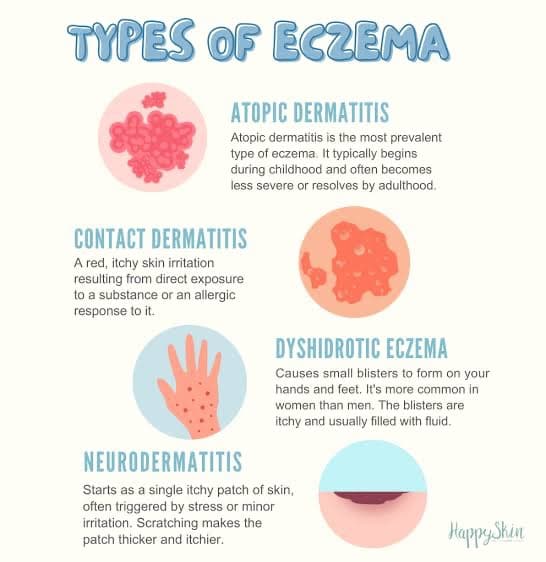
Eczema: Understanding Itchy, Dry, and Sensitive Skin
Eczema, also known as atopic dermatitis, is one of the most common chronic skin conditions affecting both children and adults. It causes dry, itchy, inflamed skin and often occurs in repeated flare-ups followed by periods of improvement.
Although eczema can be frustrating, it is not contagious, and with proper skincare and medical treatment, most people can achieve good symptom control and enjoy healthy, comfortable skin.
At Teledoctor Kenya, we provide expert assessment, treatment, and personalized skincare advice for patients of all ages.
What Is Eczema?
Eczema is a chronic inflammatory skin condition in which the skin barrier becomes weakened. This allows moisture to escape more easily while making the skin more sensitive to irritants, allergens, and infections.
People with eczema often experience cycles of flare-ups and remission.
Who Gets Eczema?
Eczema can affect anyone, but it is most common in:
- Infants and young children
- People with a family history of eczema
- Individuals with asthma
- People with allergic rhinitis (hay fever)
- Those with a family history of allergies
Many children improve as they grow older, although some continue to have eczema into adulthood.
What Causes Eczema?
There is no single cause.
Eczema develops due to a combination of:
Genetics
Many people inherit a tendency toward sensitive skin and allergic conditions.
Skin Barrier Dysfunction
The skin loses moisture more easily, becoming dry and vulnerable to irritation.
Immune System Overactivity
The immune system reacts strongly to environmental triggers, leading to inflammation.
Environmental Triggers
Common triggers include:
- Hot weather
- Cold, dry weather
- Harsh soaps
- Perfumes
- Wool clothing
- Dust mites
- Pet dander
- Stress
- Sweat
- Certain detergents
Identifying personal triggers is an important part of eczema management.
Symptoms of Eczema
Symptoms vary depending on age and severity.
Common features include:
- Intense itching
- Dry skin
- Red or darker patches of inflamed skin
- Rough or thickened skin
- Small bumps that may ooze fluid
- Cracked skin
- Scaly skin
- Skin discoloration after healing
The itch can become severe, especially at night.
Common Areas Affected
Babies
- Face
- Scalp
- Cheeks
- Arms
- Legs
Children
- Elbows
- Knees
- Neck
- Wrists
- Ankles
Adults
- Hands
- Eyelids
- Neck
- Elbows
- Knees
- Face
- Feet
What Can Trigger a Flare-Up?
Common triggers include:
- Dry skin
- Hot showers
- Excessive sweating
- Stress
- Skin infections
- Harsh soaps
- Fragrances
- Dust
- Pollen
- Certain fabrics such as wool
Not everyone has the same triggers.
Is Eczema Contagious?
No.
Eczema cannot be spread from one person to another through touching, sharing clothes, or close contact.
How Is Eczema Diagnosed?
Diagnosis is usually based on:
- Medical history
- Family history of allergies
- Physical examination of the skin
- Pattern and location of the rash
Most people do not require blood tests or skin biopsies.
If allergies are suspected, additional testing may sometimes be recommended.
Treatment Options
Treatment focuses on relieving symptoms, repairing the skin barrier, and preventing flare-ups.
Moisturizers (Emollients)
Regular moisturizing is the foundation of eczema treatment.
Apply fragrance-free moisturizers:
- At least twice daily
- Immediately after bathing
- Whenever the skin feels dry
Creams and ointments are generally more effective than lotions for very dry skin.
Topical Corticosteroids
Steroid creams or ointments reduce inflammation during flare-ups.
They should:
- Be used exactly as prescribed
- Be applied only to affected areas
- Not be overused without medical supervision
When used appropriately, topical steroids are safe and effective.
Non-Steroid Prescription Creams
Some people benefit from medicines that reduce inflammation without steroids, especially for sensitive areas such as the face or eyelids.
Antihistamines
Although antihistamines do not treat eczema itself, they may help relieve itching in some individuals, particularly at night.
Treatment of Skin Infections
Scratching may damage the skin and allow bacteria to enter.
If infection develops, your healthcare provider may prescribe antibiotics or other appropriate treatment.
Daily Skin Care Tips
Good skincare can greatly reduce flare-ups.
Bathe Wisely
- Use lukewarm water
- Limit baths or showers to 5–10 minutes
- Use mild, fragrance-free cleansers
Moisturize Immediately
Apply moisturizer within a few minutes of bathing to lock in moisture.
Avoid Scratching
Scratching worsens inflammation and increases the risk of infection.
Keep fingernails short, and consider cotton gloves at night for children who scratch in their sleep.
Wear Comfortable Clothing
Choose soft cotton clothing and avoid rough fabrics such as wool if they trigger symptoms.
Manage Stress
Stress can worsen eczema in some people.
Regular exercise, relaxation techniques, and adequate sleep may help.
Can Food Cause Eczema?
Food allergies are not the cause of most eczema.
Some children with eczema may also have food allergies, but eliminating foods without medical advice may lead to nutritional deficiencies.
Speak with a healthcare professional before making major dietary changes.
Possible Complications
Untreated eczema may lead to:
- Skin infections
- Thickened skin from repeated scratching
- Sleep disturbance
- Anxiety or low mood due to chronic itching
- Reduced quality of life
Early treatment can help prevent these complications.
When Should You See a Doctor?
Seek medical advice if:
- Home treatment is not helping
- The rash is spreading rapidly
- The skin becomes painful, swollen, or produces pus
- Fever develops alongside the rash
- Sleep is severely affected
- The diagnosis is uncertain
Can Teledoctor Help?
Yes.
Teledoctor Kenya provides expert assessment and treatment for eczema and other skin conditions.
Our healthcare professionals can:
- Diagnose eczema
- Recommend appropriate skincare routines
- Prescribe creams and medications when needed
- Treat skin infections
- Identify possible triggers
- Refer to a dermatologist if specialized care is required
Living Well with Eczema
Although eczema is a chronic condition, many people achieve excellent control with regular skincare, avoidance of triggers, and appropriate medical treatment.
A consistent daily skincare routine is often the most effective way to reduce flare-ups and improve quality of life.
Book a Skin Consultation with Teledoctor Kenya
If you or your child has itchy, dry, or inflamed skin, our healthcare professionals are here to help.
We provide:
- Online skin consultations
- Diagnosis of eczema and other skin conditions
- Personalized treatment plans
- Prescription medications where appropriate
- Follow-up care
- Dermatology referrals when needed
📞 Call or WhatsApp: 0701 913 000
🌐 Book your consultation today at www.teledoctor.co.ke
Frequently Asked Questions
Can eczema be cured?
There is currently no permanent cure for eczema, but it can usually be managed effectively with proper skincare and treatment.
Is eczema contagious?
No. Eczema cannot be passed from one person to another.
Can adults develop eczema?
Yes. Although eczema often begins in childhood, it can develop for the first time in adulthood.
Are steroid creams safe?
Yes. When used as directed by a healthcare professional, topical corticosteroids are generally safe and effective for controlling eczema flare-ups.
Does stress make eczema worse?
For many people, stress can trigger or worsen eczema symptoms. Managing stress may help reduce flare-ups.