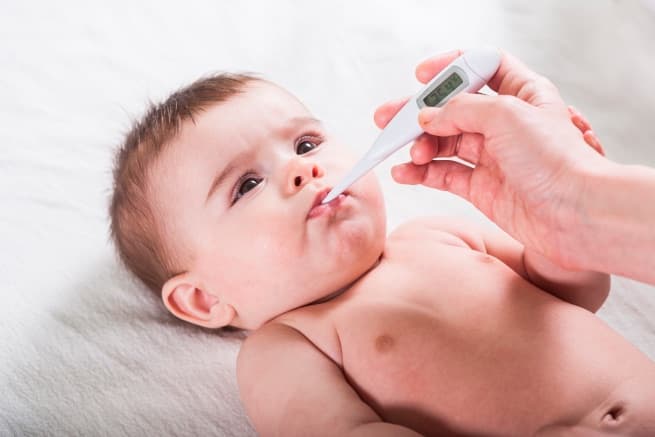
Few things worry parents more than discovering that their child has a fever. A warm forehead, a high thermometer reading, or a child who suddenly becomes irritable can cause understandable anxiety.
The good news is that fever is not a disease—it is usually a sign that the body’s immune system is responding to an infection. In many cases, a fever is caused by common viral illnesses that improve with rest, fluids, and supportive care.
However, some children with fever require prompt medical assessment. Knowing when to monitor your child at home and when to seek medical attention is essential.
⸻
What Is a Fever?
A fever is a temporary rise in body temperature, usually caused by the body’s response to infection or inflammation.
Generally, a temperature of 38.0°C (100.4°F) or higher, measured with a reliable thermometer, is considered a fever.
Children often develop fever as their immune system fights viruses or bacteria.
⸻
Common Causes of Fever in Children
Most fevers are caused by infections.
Common causes include:
- Common cold
- Influenza (flu)
- COVID-19
- Ear infections
- Throat infections
- Tonsillitis
- Urinary tract infections
- Gastroenteritis (“stomach flu”)
- Pneumonia
- Malaria (particularly in malaria-endemic regions of Kenya)
Occasionally, fever may also occur after routine childhood vaccinations. This is usually mild and short-lived.
⸻
Symptoms That May Accompany a Fever
Depending on the underlying illness, your child may also have:
- Runny nose
- Cough
- Sore throat
- Vomiting
- Diarrhoea
- Poor appetite
- Headache
- Body aches
- Rash
- Fatigue
- Irritability
Many children continue playing between episodes of fever, while others become sleepy or clingy.
⸻
Caring for a Child With Fever at Home
If your child is otherwise alert and drinking fluids, supportive care is often all that is needed.
Encourage Fluids
Offer water, breast milk, formula, oral rehydration solution, or clear fluids regularly to reduce the risk of dehydration.
Dress Your Child Comfortably
Light clothing is usually sufficient. Avoid wrapping your child in heavy blankets, as this may make them more uncomfortable.
Allow Plenty of Rest
Sleep helps the body recover from illness.
Use Fever-Reducing Medicines Correctly
If your child is uncomfortable because of the fever, medicines such as paracetamol may help when used according to the correct dose for your child’s age and weight.
Ibuprofen may also be appropriate for some children over six months of age, unless advised otherwise by a healthcare professional.
Never give aspirin to children, as it has been linked to a rare but serious condition called Reye’s syndrome.
Always read the medicine label carefully or consult a healthcare professional if you are unsure about dosing.
⸻
When Should Parents Seek Immediate Medical Care?
Although most fevers are not dangerous, some symptoms require urgent medical assessment.
Seek emergency medical care immediately if your child:
- Is younger than 3 months and has a temperature of 38.0°C or higher
- Has difficulty breathing
- Is difficult to wake or unusually drowsy
- Has repeated seizures
- Develops a stiff neck
- Has a widespread purple or non-blanching rash
- Shows signs of severe dehydration, such as very dry mouth, sunken eyes, or passing little or no urine
- Has persistent vomiting and cannot keep fluids down
- Appears severely ill or is difficult to console
Trust your instincts. If your child appears seriously unwell, seek medical attention without delay.
⸻
When Should You Arrange a Medical Review?
You should consult a doctor if:
- The fever lasts longer than 48 to 72 hours
- Your child refuses to drink fluids
- The fever repeatedly returns
- Your child has significant ear pain, severe sore throat, or painful urination
- Your child has a chronic medical condition such as asthma, diabetes, or a weakened immune system
- You are worried, even if the symptoms seem mild
An assessment can help determine whether your child has a viral illness, a bacterial infection requiring antibiotics, or another condition that needs treatment.
⸻
Can Teething Cause Fever?
Teething may cause mild discomfort and a slight rise in temperature, but it should not cause a true fever of 38.0°C or higher.
If your child has a significant fever, look for another cause rather than assuming it is due to teething.
⸻
Can I Consult a Doctor Online for My Child?
Yes.
Many childhood illnesses can be safely assessed through an online consultation.
A licensed doctor can:
- Review your child’s symptoms
- Advise whether home care is appropriate
- Recommend laboratory tests if needed
- Prescribe medication when clinically appropriate
- Identify warning signs that require hospital assessment
- Arrange follow-up care
Online consultations are especially convenient for parents who need prompt advice without travelling long distances or waiting in busy clinics.
⸻
Preventing Common Childhood Infections
Although not every illness can be prevented, parents can reduce the risk of infection by:
- Ensuring children receive all recommended vaccinations
- Encouraging regular handwashing
- Providing a balanced, nutritious diet
- Keeping children home from school or daycare when they are unwell
- Avoiding unnecessary exposure to people with contagious illnesses
⸻
The Importance of Monitoring, Not Just the Temperature
A thermometer reading is only one part of the picture.
Doctors also consider:
- How your child is behaving
- Their breathing
- Their level of hydration
- Their appetite
- Their medical history
- How long the fever has been present
A child with a mild fever who is active and drinking well may be less concerning than a child with a lower temperature who is unusually sleepy or struggling to breathe.
⸻
Book an Online Pediatric Consultation with Teledoctor Kenya
If your child has a fever and you are unsure what to do, Teledoctor Kenya is here to help.
Our licensed healthcare professionals can assess your child’s symptoms, recommend appropriate treatment, advise whether home care is sufficient, and identify when urgent hospital assessment is needed.
Whether you’re in Nairobi, Mombasa, Kisumu, Eldoret, Garissa, or anywhere else in Kenya, expert medical advice is just a consultation away.
Book an online pediatric consultation today and receive trusted medical guidance for your child.
⸻
Frequently Asked Questions
What temperature is considered a fever in children?
A temperature of 38.0°C (100.4°F) or higher is generally considered a fever.
Should I wake my child to give fever medicine?
If your child is sleeping comfortably, it is often unnecessary to wake them solely to give fever-reducing medication. If you are unsure, seek advice from a healthcare professional.
Does every child with a fever need antibiotics?
No. Many fevers are caused by viral infections, which do not respond to antibiotics. A doctor will determine whether antibiotics are necessary based on the likely cause.
Can I consult a doctor online if my child has a fever?
Yes. Online consultations are appropriate for many children with fever, provided they do not have emergency warning signs. A doctor can assess your child’s symptoms and advise on the most appropriate next steps.
When should I take my child directly to the hospital?
Go to the nearest hospital immediately if your child has difficulty breathing, persistent seizures, severe dehydration, a stiff neck, is difficult to wake, or is younger than three months with a fever.