Diabetes Mellitus
Diabetes Mellitus (DM) is such an old condition physicians knew about it in BC centuries. Scholars in Greek, Egyptian and Indian civilizations noted the sweet taste of urine in DM patients and thus were aware that these individuals passed an abnormally large amount of sugar in their urine. Even though, a complete understanding of the condition was only possible in the early 18th century when researchers identified insulin as a key player in glucose metabolism. Today, a lot has gone to research and its management has become easier and more efficient. Although a complete cure has not been discovered, new technologies such as Continuous Glucose Monitoring (CGM), Automated Insulin Delivery (AID) Systems and modern drug classes such as SGL-2 inhibitors offer significant hope of new frontiers.
There are several classes of DM such as Type 1 Diabetes Mellitus (T1DM), Type 2 DM (T2DM) , Maturity Onset Diabetes Mellitus (MODY) and Gestational Diabetes Mellitus. For the purposes of our series we shall discuss the two commonest forms which are T1DM and T2DM. Globally, it is estimated that 1 in 11 individuals are living with DM. The incidence of lifestyle diseases has also been seen to increase in our setting. In Kenya 2.3 million people were estimated to be living with the condition in 2021 with the number expected to rise to 3.5 million by 2045. The low income urban population is more affected with risk factors such as obesity being implicated.
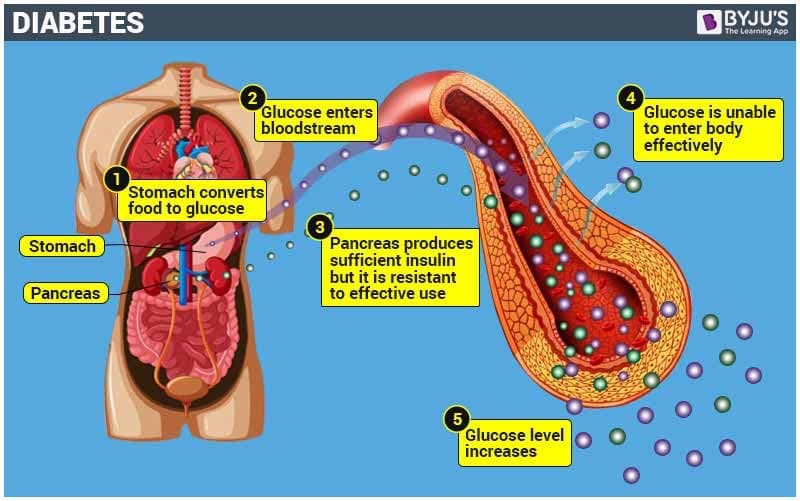
Insulin is a hormone that is produced by the pancreas and released into the bloodstream to lower the amount of sugar/glucose. Glucagon is produced by the same organ and counteracts the effects of insulin. Blood glucose levels rise because of inadequate production of insulin by the pancreas (T1DM) or deranged insulin function mainly through resistance (T2DM).It has been possible to separate insulin from human and cows’ pancreases to facilitate treatment. Untreated DM leads to deadly complications ranging from blindness to kidney failure and that’s why screening, diagnosis and treatment is of utmost importance . Online doctor consultation can be applied in many sectors of DM management. Information giving/health sensitization one area where Telemedicine is underutilized. The platform can also be used to interpret symptoms and glycemic levels and thus aid in the diagnosis of this condition. The healthcare provider can also assist in calculating the right dosages of insulin during administration. This information can be shared via simple platforms such is WhatsApp. It is therefore clear that Telehealth can be part and parcel of Diabetes Melitus management in Kenya and beyond.