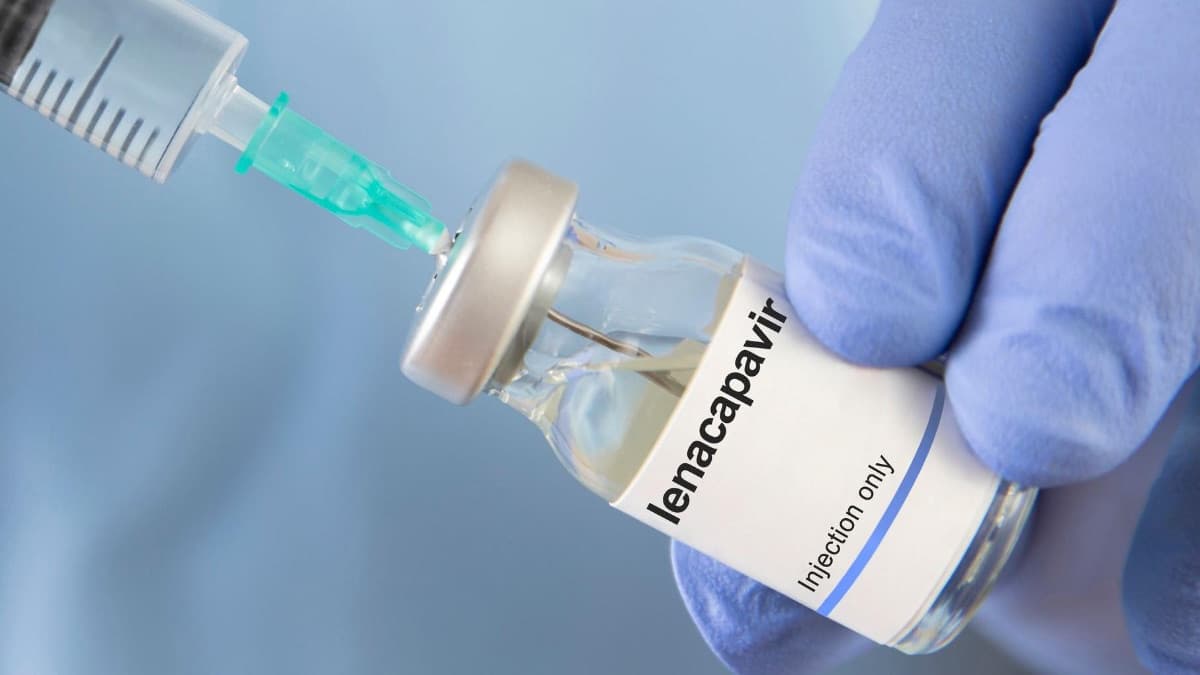
Lenacapavir: A Breakthrough in HIV Prevention and Treatment
The fight against HIV has advanced significantly over the past few decades. One of the most exciting recent developments is lenacapavir, a long-acting antiretroviral medication that offers new options for both HIV treatment and HIV prevention.
Unlike many HIV medicines that require daily dosing, lenacapavir can be administered only twice a year after an initial loading phase. This has the potential to improve adherence and expand access to effective HIV prevention and treatment.
While lenacapavir is a major medical advance, it is not a cure for HIV. It is one component of comprehensive HIV care and should always be used under the supervision of a qualified healthcare professional.
What Is Lenacapavir?
Lenacapavir is a long-acting antiretroviral medicine that belongs to a class of drugs known as HIV capsid inhibitors.
Unlike older HIV medications that target viral enzymes, lenacapavir works by disrupting the capsid, the protein shell that surrounds the HIV virus. By interfering with multiple stages of the virus’s life cycle, it prevents HIV from replicating effectively.
How Does Lenacapavir Work?
The HIV capsid plays several critical roles in the virus’s ability to infect human cells and reproduce.
Lenacapavir interferes with these processes by:
- Preventing HIV from entering the cell nucleus efficiently
- Blocking viral replication
- Interfering with assembly of new virus particles
Because it acts differently from many existing HIV medicines, it can remain effective even when resistance to other drug classes has developed.
What Is Lenacapavir Used For?
Lenacapavir has two important clinical roles:
- HIV Treatment
Lenacapavir has been approved in several countries, in combination with other antiretroviral medicines, for adults with multidrug-resistant HIV whose virus is not adequately controlled by their current treatment regimen.
It is not used as a standalone treatment and should always be combined with other active HIV medications.
- HIV Prevention (PrEP)
Lenacapavir has also shown remarkable effectiveness as pre-exposure prophylaxis (PrEP) for people who are HIV-negative but at substantial risk of acquiring HIV.
Clinical trials demonstrated very high levels of protection when administered as a long-acting injection every six months, making it an attractive option for individuals who find daily PrEP tablets difficult to take consistently.
Who May Benefit from Lenacapavir PrEP?
People who may benefit include those at increased risk of HIV infection, such as:
- Individuals with an HIV-positive sexual partner who is not virally suppressed
- People with multiple sexual partners
- Individuals who do not consistently use condoms
- Sex workers
- Men who have sex with men
- People who inject drugs
- Individuals who have difficulty adhering to daily oral PrEP
The decision to use PrEP should be made after consultation with a healthcare provider.
How Is Lenacapavir Given?
Lenacapavir is administered as a subcutaneous injection (under the skin).
For HIV prevention, after the recommended initiation schedule, maintenance injections are generally given every six months.
For HIV treatment, the dosing schedule depends on the approved treatment regimen and accompanying medications.
Patients should receive injections according to the prescribed schedule to maintain protection or viral suppression.
How Effective Is Lenacapavir?
Large clinical studies have shown that long-acting lenacapavir is highly effective.
For HIV prevention, it has demonstrated very high protection against HIV infection in clinical trials, including among women in sub-Saharan Africa and other populations at risk.
For HIV treatment, it has helped achieve viral suppression in many people with multidrug-resistant HIV when used as part of combination therapy.
Advantages of Lenacapavir
Potential benefits include:
- Only two maintenance injections per year
- No need for daily HIV prevention tablets
- Improved convenience
- Better treatment adherence for some patients
- New option for people with resistant HIV
- Reduced pill burden
These features may help overcome one of the biggest challenges in HIV care—consistent medication adherence.
Possible Side Effects
Like all medicines, lenacapavir can cause side effects.
Common side effects include:
- Pain or swelling at the injection site
- Redness
- Nausea
- Headache
- Fatigue
Most injection-site reactions are mild and temporary.
Your healthcare provider will discuss potential risks and benefits before treatment.
Is Lenacapavir Safe?
Clinical trials have shown lenacapavir to have a favourable safety profile for approved uses.
However, it is not suitable for everyone.
Before starting treatment, your healthcare provider will review:
- HIV status
- Current medications
- Medical history
- Liver function if indicated
- Potential drug interactions
Important Considerations
For HIV prevention:
- You must have a confirmed negative HIV test before starting PrEP.
- Regular HIV testing is recommended while receiving PrEP.
- Screening for other sexually transmitted infections (STIs) should also be considered as part of routine sexual healthcare.
For HIV treatment:
- Lenacapavir should always be used in combination with other effective antiretroviral medicines.
- Regular follow-up and viral load monitoring remain essential.
Is Lenacapavir Available in Kenya?
Access to lenacapavir continues to evolve as regulatory approvals expand and public health programmes assess implementation.
Availability in Kenya may differ between the public and private sectors and may change over time.
If you are interested in lenacapavir, speak with your healthcare provider or consult a specialist HIV clinic for the most current information on access and eligibility.
Can Teledoctor Help?
Yes.
Teledoctor Kenya provides confidential HIV prevention and treatment consultations.
Our healthcare professionals can:
- Assess your HIV risk
- Advise whether PrEP may be appropriate
- Discuss available HIV prevention options
- Arrange HIV testing
- Screen for sexually transmitted infections
- Support people living with HIV
- Refer for specialist HIV care when necessary
- Provide ongoing follow-up
Prevention Remains the Best Strategy
Long-acting medicines such as lenacapavir represent an exciting advance in HIV prevention and treatment.
However, HIV prevention still includes:
- Consistent condom use
- Regular HIV testing
- Early treatment for people living with HIV
- Prompt treatment of sexually transmitted infections
- PrEP for eligible individuals
- Open communication with sexual partners
Combining these approaches offers the greatest protection.
Book a Confidential HIV Consultation with Teledoctor Kenya
If you would like to learn more about HIV prevention, PrEP, or whether lenacapavir may be appropriate for you, our healthcare professionals are here to help.
We provide:
- Confidential online consultations
- HIV risk assessment
- PrEP counselling
- HIV testing guidance
- STI screening advice
- Ongoing follow-up and support
📞 Call or WhatsApp: 0701 913 000
🌐 Book your online consultation today at www.teledoctor.co.ke
Frequently Asked Questions
Is lenacapavir a cure for HIV?
No. Lenacapavir does not cure HIV. It helps prevent HIV infection in people who are HIV-negative when used as PrEP, and it helps control HIV in certain people living with HIV when used in combination with other antiretroviral medicines.
How often are lenacapavir injections given?
After the initial dosing schedule, maintenance injections are generally administered every six months, depending on the approved indication and treatment regimen.
Can I stop using condoms if I receive lenacapavir?
No. While PrEP is highly effective against HIV when used correctly, condoms remain important because they help reduce the risk of other sexually transmitted infections such as gonorrhoea, chlamydia, and syphilis.
Is lenacapavir available for everyone?
Availability depends on regulatory approval, national treatment programmes, and local access. A healthcare provider can advise whether it is available and appropriate for your situation.
Do I still need HIV testing if I am on PrEP?
Yes. Regular HIV testing is essential before and during PrEP to ensure timely detection of HIV infection.