Whether you are trying to conceive or planning to avoid pregnancy, understanding ovulation is an important part of reproductive health.
Ovulation is the time in the menstrual cycle when an ovary releases a mature egg. If the egg is fertilised by sperm, pregnancy can occur. Knowing when ovulation happens can help couples plan pregnancy more effectively or make informed decisions about contraception.
⸻
What Is Ovulation?
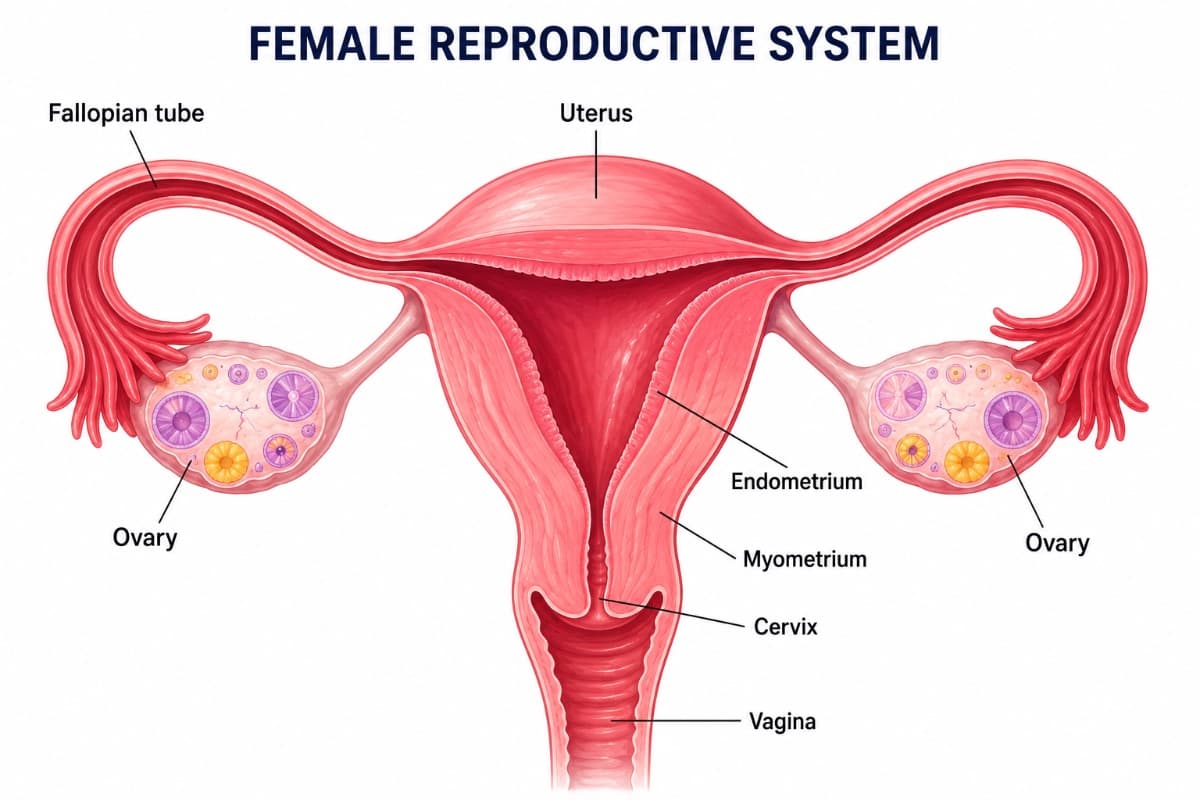
Ovulation is the release of a mature egg from one of the ovaries.
After release, the egg travels into the fallopian tube, where it may be fertilised if sperm are present.
If fertilisation does not occur, the egg breaks down, hormone levels fall, and menstruation follows.
⸻
When Does Ovulation Occur?
In a typical 28-day menstrual cycle, ovulation usually occurs around day 14, counting from the first day of your period.
However, not everyone has a 28-day cycle. Ovulation may occur earlier or later depending on the length of your cycle.
As a general guide:
- A 24-day cycle may ovulate around day 10.
- A 30-day cycle may ovulate around day 16.
- A 35-day cycle may ovulate around day 21.
Cycle length varies between individuals and even from month to month.
⸻
What Is the Fertile Window?
The fertile window is the period during which pregnancy is most likely.
It usually includes:
- The five days before ovulation
- The day of ovulation
- Up to 24 hours after ovulation, while the egg remains viable
Sperm can survive in the female reproductive tract for up to five days, which is why intercourse before ovulation can still result in pregnancy.
⸻
Signs of Ovulation
Some women notice physical changes around ovulation, including:
Clear, Stretchy Cervical Mucus
Vaginal discharge often becomes clear, slippery, and stretchy—similar to raw egg white.
This helps sperm move more easily toward the egg.
⸻
Mild Pelvic Pain (Mittelschmerz)
Some women experience mild discomfort or cramping on one side of the lower abdomen during ovulation.
⸻
Increased Sexual Desire
Hormonal changes may increase libido around ovulation.
⸻
Slight Rise in Basal Body Temperature
After ovulation, basal body temperature usually rises slightly.
Tracking temperature over several months may help identify ovulation patterns.
⸻
Breast Tenderness
Hormonal changes may cause mild breast tenderness around ovulation.
⸻
How Can You Track Ovulation?
Several methods can help estimate ovulation.
Calendar Tracking
Recording the first day of each menstrual period helps identify your average cycle length and estimate your fertile days.
⸻
Ovulation Predictor Kits
These urine tests detect the rise in luteinising hormone (LH) that occurs shortly before ovulation.
They are useful for women trying to conceive.
⸻
Basal Body Temperature
Measuring your temperature each morning before getting out of bed can help identify ovulation after it has occurred.
⸻
Cervical Mucus Observation
Monitoring changes in vaginal discharge provides another clue about approaching ovulation.
⸻
Factors That Affect Fertility
Many factors influence fertility, including:
- Age
- Smoking
- Excessive alcohol consumption
- Obesity
- Being underweight
- Poor nutrition
- Chronic illnesses
- Hormonal disorders
- Sexually transmitted infections
- Polycystic Ovary Syndrome (PCOS)
- Endometriosis
- Male fertility factors
Fertility involves both partners, and difficulties conceiving may be related to female, male, or combined factors.
⸻
How Can I Improve My Fertility?
Healthy lifestyle choices can improve reproductive health.
Consider:
- Maintaining a healthy weight
- Eating a balanced diet
- Exercising regularly
- Avoiding smoking
- Limiting alcohol intake
- Managing stress
- Sleeping well
- Taking folic acid before pregnancy
- Seeking treatment for underlying medical conditions
If you are trying to conceive, regular unprotected intercourse every two to three days throughout the menstrual cycle generally provides the best chance of pregnancy.
⸻
When Should You See a Doctor?
Seek medical advice if:
- You are under 35 years old and have been trying to conceive for 12 months without success.
- You are 35 years or older and have been trying for 6 months without success.
- Your menstrual cycles are very irregular or absent.
- You have severe pelvic pain.
- You have had recurrent miscarriages.
- You or your partner have known fertility concerns.
- You have a history of pelvic inflammatory disease, endometriosis, or previous reproductive surgery.
Early assessment may identify treatable causes of infertility.
⸻
Can Fertility Be Assessed During an Online Consultation?
Yes.
A confidential online consultation allows a healthcare professional to:
- Review your menstrual history
- Discuss ovulation tracking
- Assess risk factors affecting fertility
- Recommend appropriate investigations
- Advise on healthy lifestyle changes
- Arrange referrals to fertility specialists if necessary
Some investigations, such as hormone tests, semen analysis, or ultrasound scans, may require an in-person visit.
⸻
Common Myths About Ovulation
Myth: Every woman ovulates on day 14.
Fact: Ovulation varies depending on cycle length and individual differences.
⸻
Myth: Pregnancy can only occur on the day of ovulation.
Fact: Because sperm can survive for several days, pregnancy can occur from intercourse during the fertile window before ovulation.
⸻
Myth: Irregular periods mean pregnancy is impossible.
Fact: Women with irregular cycles may still ovulate and become pregnant, although predicting ovulation is more difficult.
⸻
Understanding Your Cycle Helps You Make Informed Choices
Learning about ovulation and fertility empowers you to make informed decisions about planning a pregnancy or choosing contraception.
If you have concerns about your fertility or menstrual cycle, professional medical advice can help identify any underlying issues and guide appropriate care.
⸻
Book a Fertility Consultation with Teledoctor Kenya
Whether you are trying to conceive, have questions about ovulation, or are concerned about your fertility, Teledoctor Kenya is here to support you.
Our licensed healthcare professionals provide confidential online consultations, personalised fertility advice, preconception counselling, and referrals for further investigations when needed.
Call or WhatsApp: 0701 913 000
Book your confidential fertility consultation today and take the next step toward achieving your reproductive health goals.
⸻
Frequently Asked Questions
Can I get pregnant immediately after my period?
Yes. If you have a short menstrual cycle or ovulate early, pregnancy is possible from intercourse soon after your period because sperm can survive in the reproductive tract for several days.
How long does the egg survive after ovulation?
The egg usually remains capable of being fertilised for about 12–24 hours after ovulation.
Can stress affect ovulation?
Yes. Significant physical or emotional stress can sometimes delay or prevent ovulation, although many factors influence the menstrual cycle.
Should both partners be evaluated if pregnancy is delayed?
Yes. Fertility concerns can involve either partner, so assessment of both individuals is often recommended.
Can Teledoctor Kenya help with fertility concerns?
Yes. Teledoctor Kenya provides confidential online fertility consultations, menstrual cycle assessments, preconception counselling, lifestyle guidance, and referrals for fertility investigations when appropriate.