Everyone experiences a restless night occasionally. However, if you regularly struggle to fall asleep, wake up repeatedly during the night, or feel exhausted despite spending enough time in bed, you may be experiencing a sleep disorder.
Sleep is essential for physical health, mental wellbeing, memory, concentration, and immune function. Persistent sleep problems can affect your mood, work performance, relationships, and increase the risk of chronic health conditions such as high blood pressure, diabetes, depression, and heart disease.
The good news is that many sleep problems can be effectively treated once the underlying cause is identified.
⸻
What Are Sleeping Problems?
Sleeping problems include any difficulty that prevents you from getting enough restful sleep.
Common examples include:
- Difficulty falling asleep (insomnia)
- Waking up frequently during the night
- Waking too early and being unable to return to sleep
- Feeling unrefreshed after sleeping
- Excessive daytime sleepiness
- Irregular sleep patterns
Some people experience these symptoms for a few days during stressful periods, while others have persistent symptoms lasting several weeks or months.
⸻
Common Causes of Poor Sleep
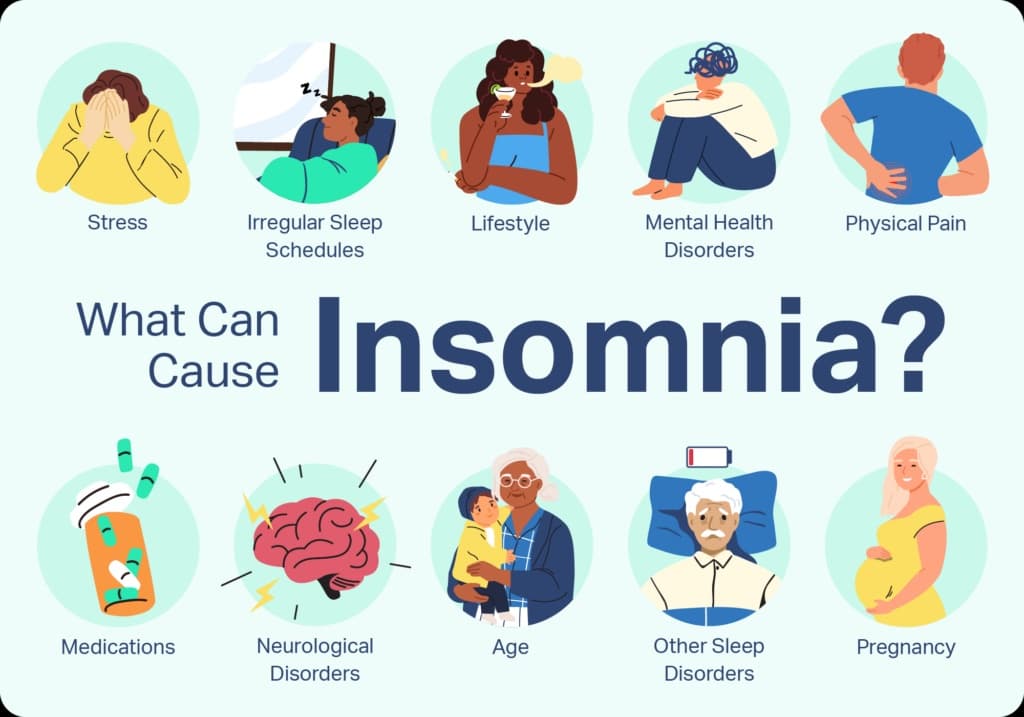
There is rarely a single cause of insomnia. Several factors can contribute, including:
Stress and Anxiety
Work pressures, financial worries, family responsibilities, examinations, or major life events can make it difficult to relax at bedtime.
Depression
People with depression may struggle to fall asleep, wake very early in the morning, or sleep excessively while still feeling tired.
Poor Sleep Habits
Common habits that interfere with sleep include:
- Using mobile phones or laptops in bed
- Drinking coffee, tea, or energy drinks late in the day
- Eating heavy meals immediately before bedtime
- Maintaining an irregular sleep schedule
- Working night shifts
Medical Conditions
Sleep can also be disrupted by:
- Chronic pain
- Asthma
- Acid reflux
- Thyroid disorders
- Diabetes
- Frequent urination at night
- Menopause
- Pregnancy
Treating the underlying medical condition often improves sleep quality.
Certain Medications
Some medicines may interfere with normal sleep patterns. Always discuss possible side effects with your healthcare provider before stopping any medication.
⸻
Signs That You Should Seek Medical Advice
Occasional poor sleep is common, but persistent symptoms deserve medical attention.
Consider speaking with a doctor if:
- Your sleep problems last more than two to four weeks.
- Fatigue affects your work, studies, or daily activities.
- You frequently feel anxious or low in mood.
- You snore loudly and stop breathing during sleep.
- You rely on sleeping tablets or alcohol to fall asleep.
- You experience sudden episodes of falling asleep during the day.
Early assessment can identify treatable causes and prevent long-term complications.
⸻
Practical Tips for Better Sleep
Many people benefit from improving their sleep habits.
Keep a Consistent Sleep Schedule
Go to bed and wake up at approximately the same time every day, including weekends.
Create a Comfortable Sleep Environment
Your bedroom should be quiet, dark, cool, and comfortable.
Reduce Screen Time
Avoid using phones, tablets, televisions, or laptops for at least one hour before bedtime. The blue light emitted by screens can delay the body’s natural production of melatonin, the hormone that promotes sleep.
Limit Caffeine
Reduce coffee, tea, cola, and energy drinks during the afternoon and evening.
Stay Physically Active
Regular exercise improves sleep quality, but vigorous exercise immediately before bedtime may make it harder to fall asleep.
Avoid Heavy Meals and Alcohol Before Bed
Eating large meals or drinking alcohol shortly before bedtime may disrupt normal sleep patterns.
Develop a Relaxing Bedtime Routine
Reading a book, gentle stretching, meditation, or deep breathing exercises can help prepare your mind and body for sleep.
⸻
Can Stress Cause Insomnia?
Yes.
Stress is one of the leading causes of temporary insomnia.
When we are stressed, the body releases hormones such as cortisol and adrenaline, making it more difficult to relax and fall asleep.
Learning healthy stress management techniques—including exercise, mindfulness, counselling, or speaking with a trusted healthcare professional—can significantly improve sleep.
⸻
Are Sleeping Tablets Always Necessary?
Not always.
While medication may occasionally be appropriate for short-term use, it is usually not the first treatment for chronic insomnia.
Your doctor will first assess whether an underlying medical or psychological condition is contributing to your symptoms.
Treatment may include:
- Improving sleep habits
- Stress management
- Treatment of anxiety or depression
- Managing chronic medical conditions
- Short-term medication in selected cases
Sleeping tablets should only be used under medical supervision.
⸻
How Can Telemedicine Help?
Many sleep problems can be assessed through an online consultation.
A licensed doctor can:
- Review your symptoms
- Assess your medical history
- Identify possible causes
- Recommend lifestyle changes
- Arrange investigations if necessary
- Prescribe treatment when appropriate
- Refer you for further assessment if specialised care is needed
Online consultations are particularly convenient for busy professionals, students, parents, and people living in areas with limited access to healthcare.
⸻
When Is Poor Sleep an Emergency?
Seek immediate medical attention if sleep problems are accompanied by:
- Chest pain
- Difficulty breathing
- Sudden confusion
- Seizures
- Thoughts of self-harm or suicide
- Sudden weakness or loss of consciousness
These symptoms require urgent assessment and should not be managed solely through telemedicine.
⸻
Healthy Sleep Is Essential for Good Health
Quality sleep is not a luxury—it is a vital part of maintaining good physical and mental health.
If you have been struggling with poor sleep for several weeks, don’t ignore it. Identifying the underlying cause early can improve your wellbeing, productivity, and overall quality of life.
Small changes to your daily routine, combined with professional medical advice when needed, can make a significant difference.
⸻
Book an Online Consultation with Teledoctor Kenya
If you’re experiencing persistent sleeping problems, insomnia, or daytime fatigue, our licensed healthcare professionals are here to help.
At Teledoctor Kenya, we provide confidential online consultations to assess your symptoms, identify possible causes, recommend appropriate investigations when needed, and develop a personalised treatment plan.
Sleep better, feel better, and take the first step towards improved health—book your online consultation with Teledoctor Kenya today.
⸻
Frequently Asked Questions
How much sleep does an adult need?
Most adults need between 7 and 9 hours of quality sleep each night, although individual needs vary.
Can stress alone cause insomnia?
Yes. Stress and anxiety are among the most common causes of temporary insomnia. If symptoms persist, a medical assessment is recommended.
Should I take sleeping tablets every night?
No. Sleeping medications are generally intended for short-term use and should only be taken under the guidance of a qualified healthcare professional.
Can insomnia be treated through an online consultation?
Yes. Many sleep problems can be assessed and managed remotely. If an in-person examination or specialised testing is needed, your doctor will advise you accordingly.
Does using my phone before bed affect sleep?
Yes. The blue light from smartphones, tablets, and computers can interfere with your body’s natural sleep-wake cycle, making it harder to fall asleep.